For a while now I have avoided terms like “good” or “bad” when describing invasive species such as buffelgrass and tamarisk. Often we are quick to shift our focus to the shallow goal of exterminating the “weed” or invasive species in question, rather than the deep work of imagining a future where we prioritize innovation and reconciliation rather than eradication.
If we create space to better understand our relationship to invasive plant species and their natural history, we can better understand how to address them.
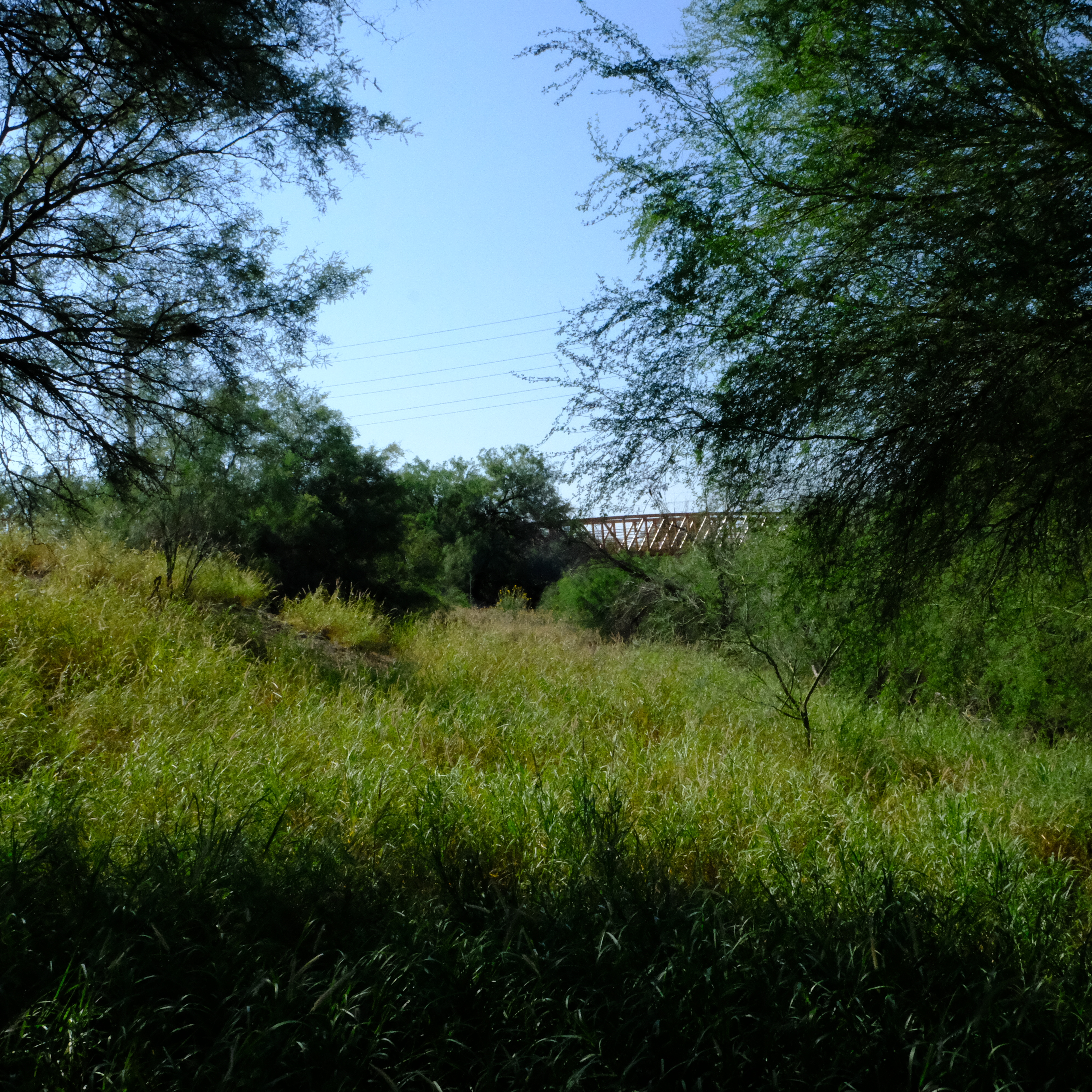
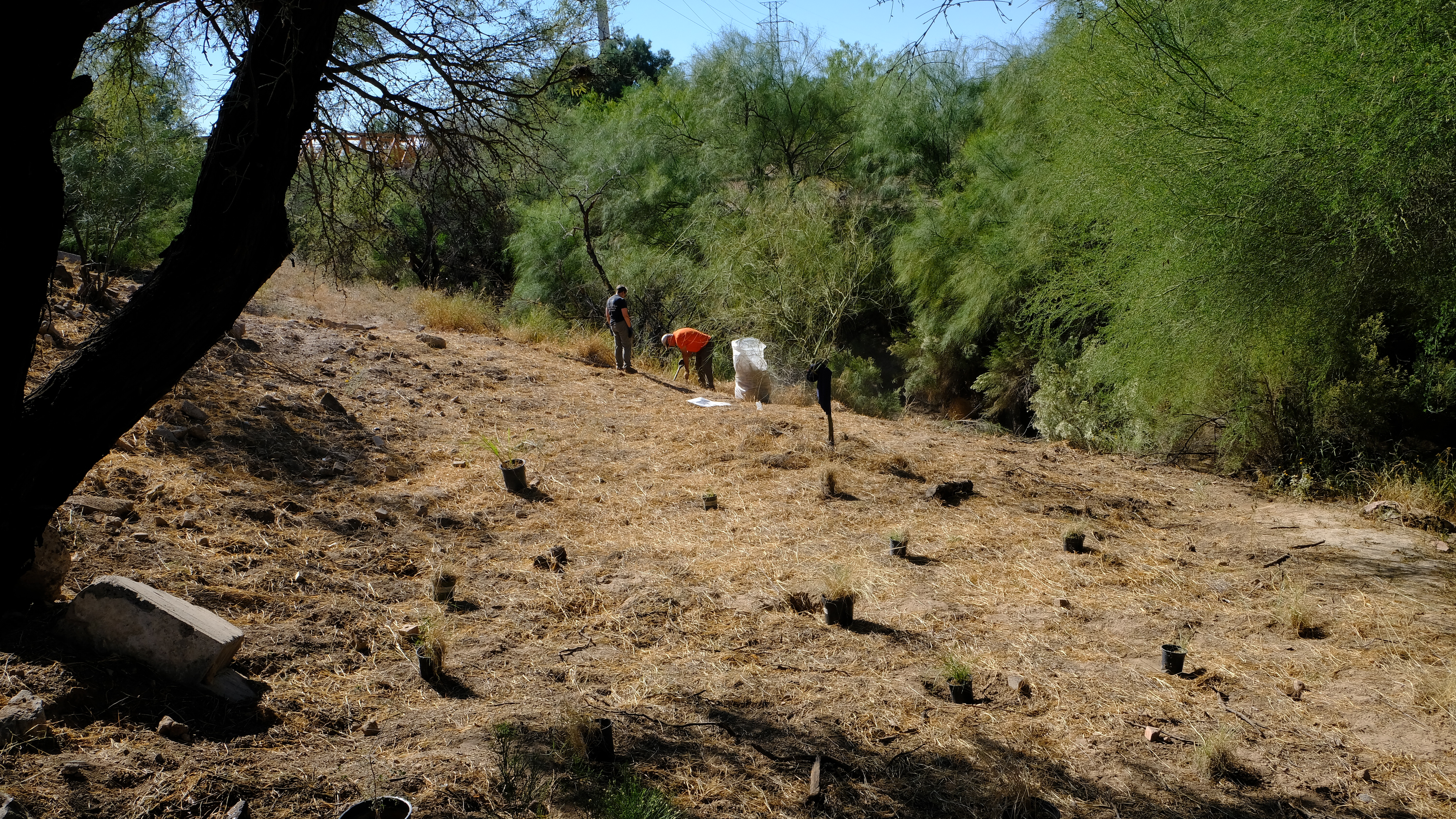
Understanding how these landscape altering species have arrived in our unique ecosystems helps us better understand our own relationships to settler colonialism. It is important to learn about and understand the decisions and injustices that have led us to the desperately needed healing we must administer today.
I have worked in conservation education for the majority of my life, and witnessed first hand the saviorism that exists within communities of invasive species management. Finger pointing and frustration often drive discourse surrounding invasive species management. Large scale conservation events are often coded with savior complex narratives that prioritize short term “band-aid” solutions rather than deep regenerative healing.
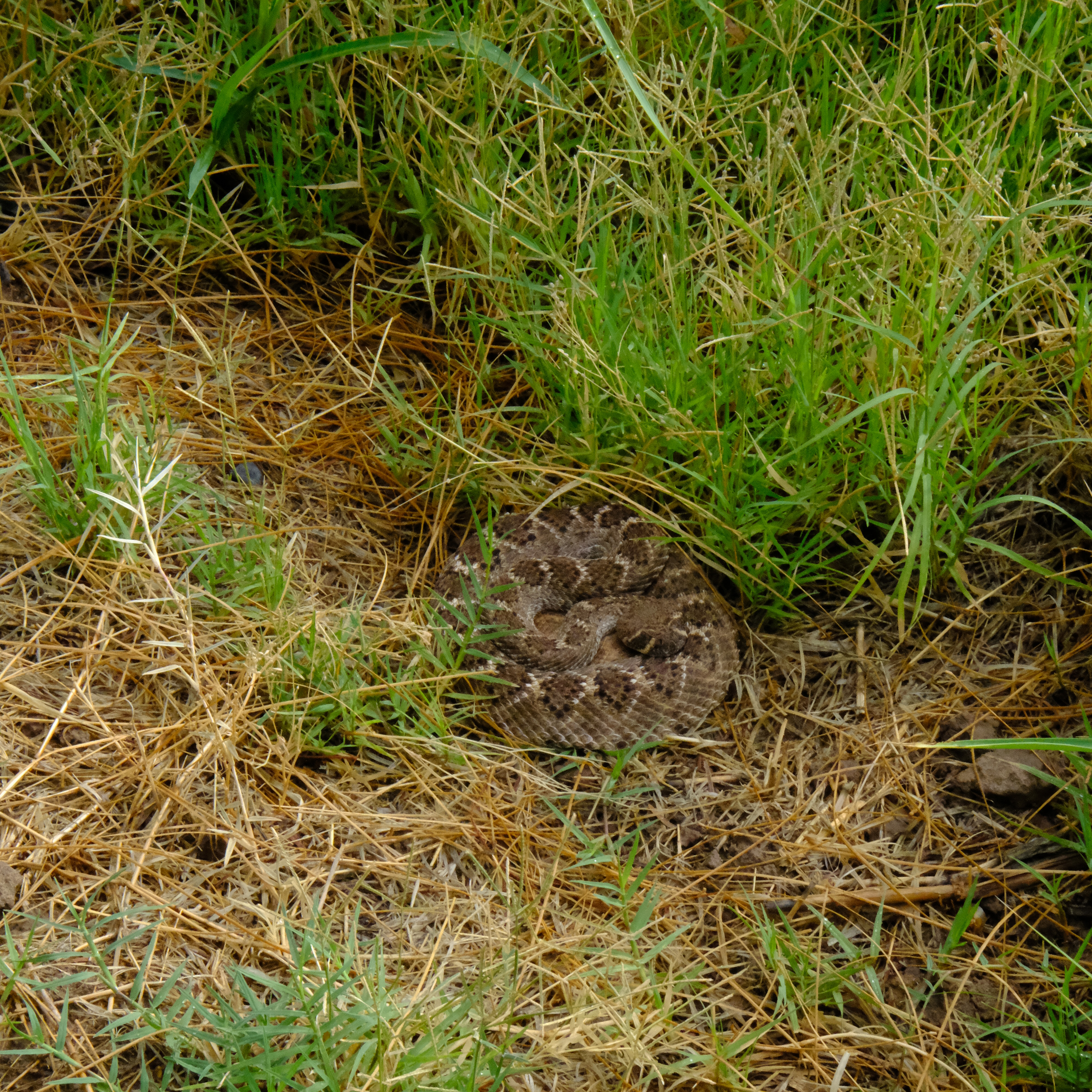
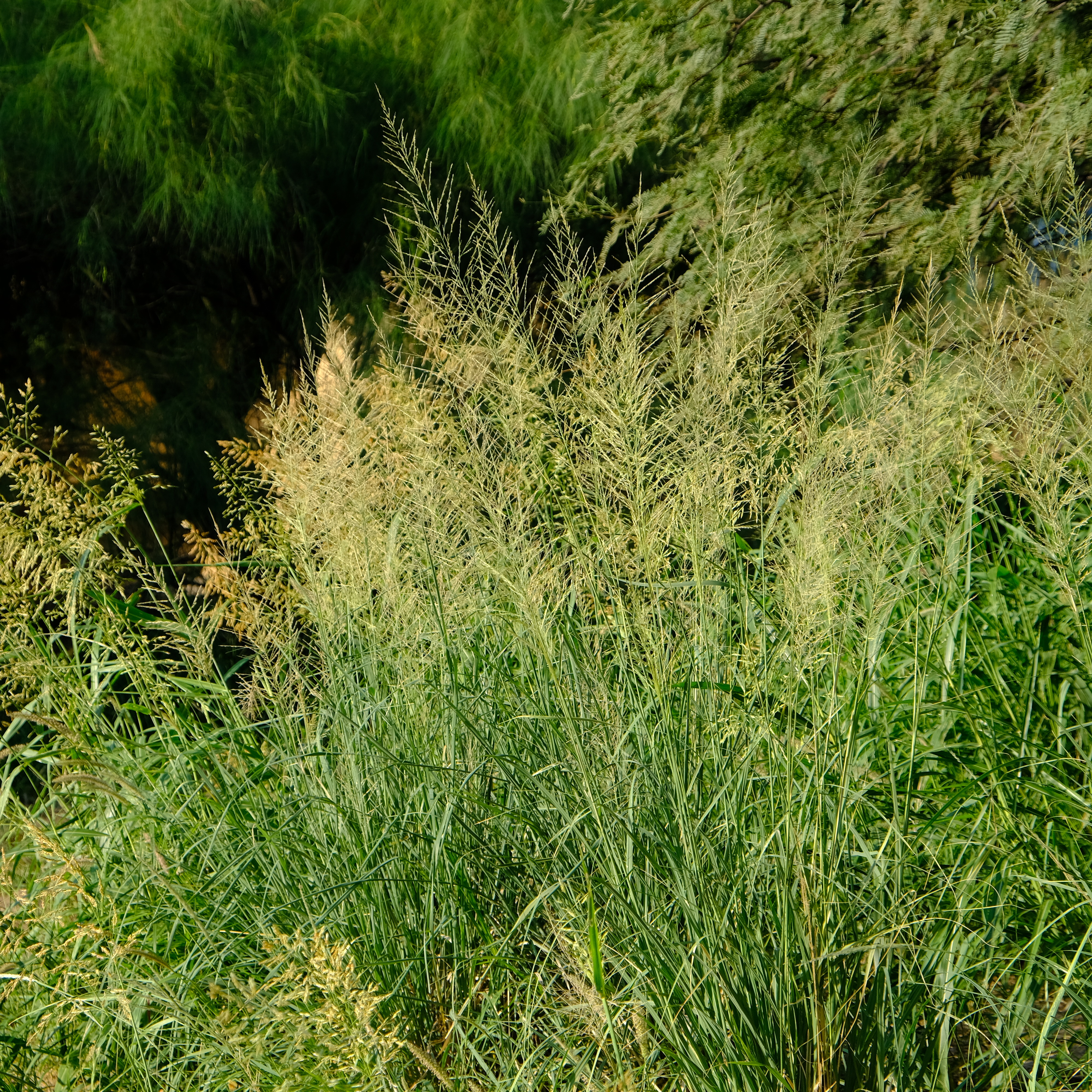
How can we create spaces that prioritize the relationships between us and the land rather than “solutions” and back pats?
The perceived urgency that invasive species present can often lead to sentiments of defeat, anger, confusion and hopelessness. What if with a shift in perspective we move towards a space of abundance? Looking at opportunity in spaces of uncertainty. Buffelgrass adobe? Buffelgrass biofuel? What would we see were we to prioritize regenerative solutions rather than reactive and spontaneous land management strategies?
I think our reactivity and militarized responses come from a place of fear and desperateness. Of wearing our own trauma and confusion around what it means to be born in a place without indigeneity.
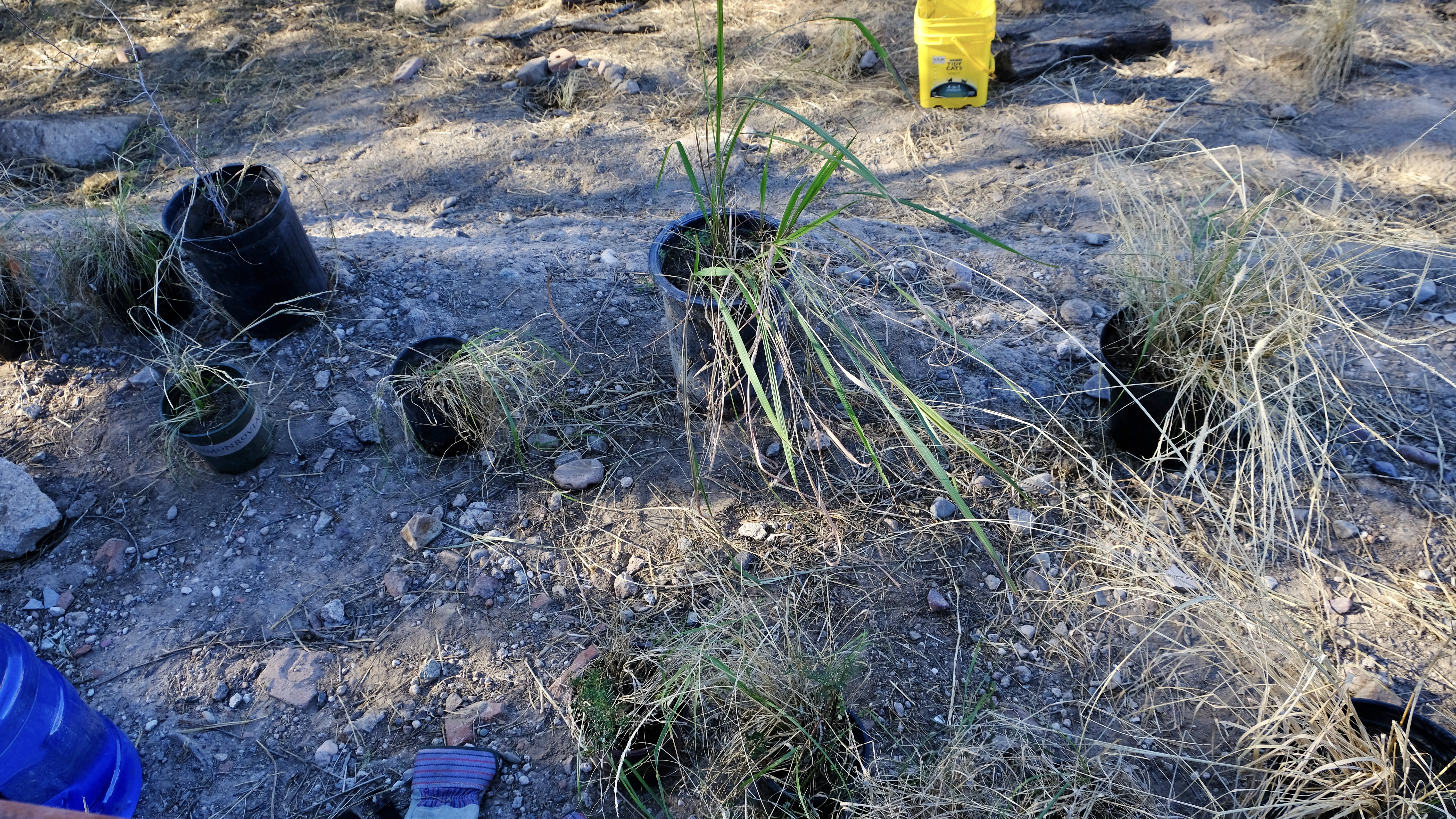
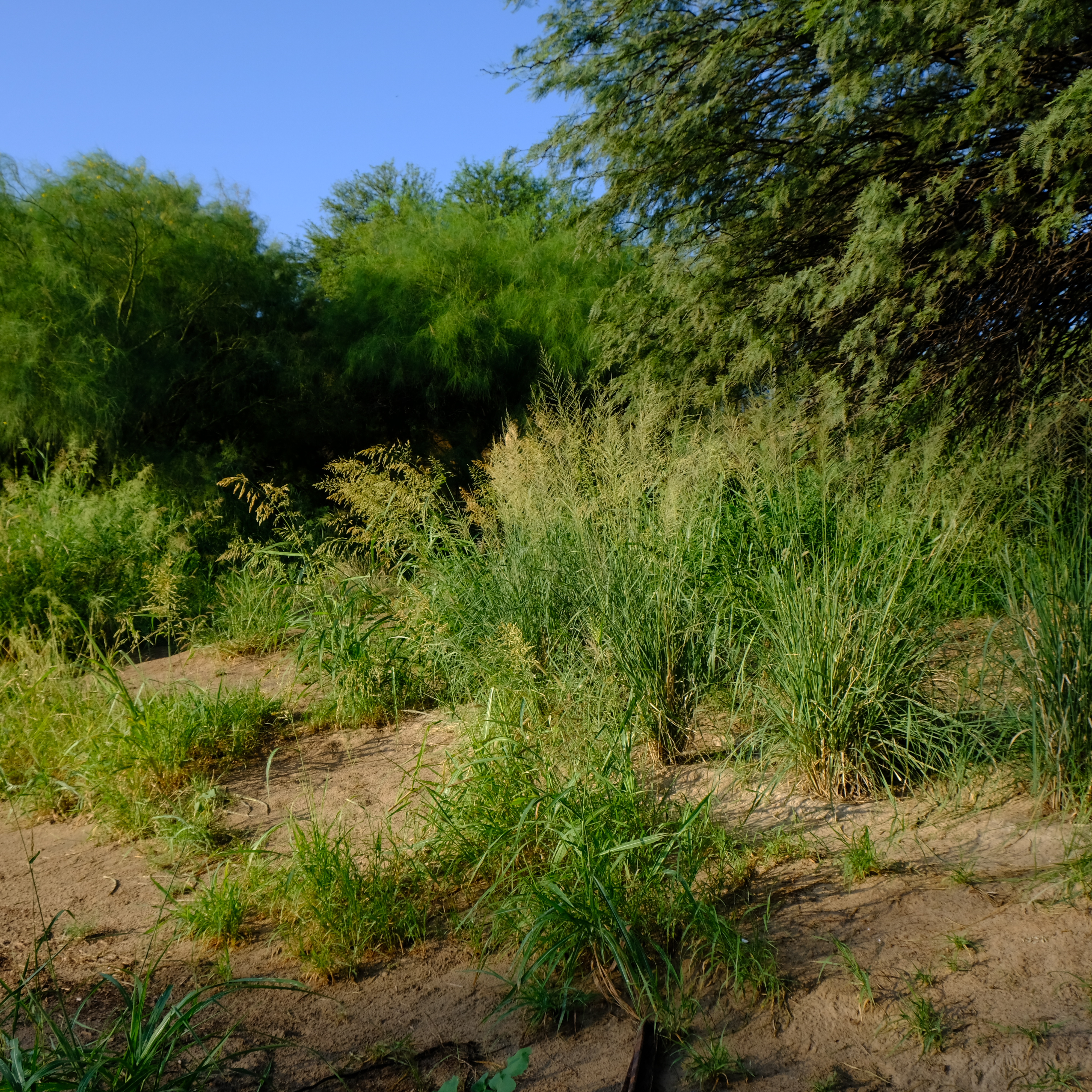
Walking through Tucson, I see velvet mesquites growing along side olive trees and desert senna surrounded by Bougainvilleas petals. These plants do not resent themselves or one another for germinating on the wrong continent. I used to look at the olive tree with judgment without recognizing that we are inextricably linked in ways that I am only beginning to understand.
I am the senna as much as I am the bougainvilleas. Soy el olivo y el mezquite.
 tierra y alma